%2Ffit-in%2F250x250%2Fguide_websites%2F183059%2Fimages%2F1786494074576stress_reelief_charters_logo.png&w=1920&q=100)
American Eel Fishing in Easton MD - Sunset Charter
American Eel Fishing in Easton - What to Expect
%2F%2Fusers%2Febbc2d5f-4c96-4012-a393-b06262d6ea84%2Fimages%2Famerican-eel-fishing-easton-sunset-2616.jpg&w=1920&q=75)
Fishing, Tours Adventures by Captain Shane Burns in August
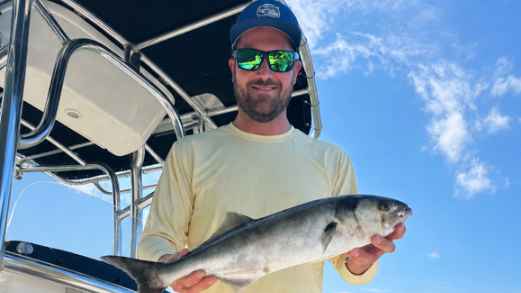
Meet your Captain Shane Burns
- Premier Chesapeake Bay Fishing Charters


Summary
Join Captain Shane Burns of Stress Reelief Charters on Wednesday, August for an exciting eel fishing and tours adventure in Easton, MD. This dynamic Fishing experience targets American Eel on calm water, combining peak angling conditions with stunning natural scenery. Whether you're a seasoned angler or exploring the waters for the first time, this charter delivers action-packed moments on the bay.
Eel Fishing with Captain Shane Burns - Rates & Booking
Captain Shane Burns of Stress Reelief Charters on Wednesday, August delivers an unforgettable eel fishing experience on Easton's pristine waters. This charter combines expert local knowledge with prime fishing conditions, targeting American Eel during peak feeding hours. Contact Stress Reelief Charters to lock in your spot and reserve your adventure today.
Highlights of Your Eel Fishing Charter
Experience the thrill of calm-water angling as the sun dips toward the horizon. Your fishing rods are rigged and ready, positioned perfectly for aggressive strikes. The tranquil bay setting creates ideal conditions for targeting American Eel, allowing you to focus on technique and timing. This is prime angling territory where action meets atmosphere.
Stress Reelief Charters brings decades of local expertise to every outing. Captain Burns knows exactly where the eels are holding and how to trigger explosive takes. The calm water amplifies every bite, every fight, every triumphant moment on the deck.
Local Species Insights: American Eel
American Eel are fierce hunters that thrive in Easton's bay systems. These powerful fish are nocturnal feeders, most active during low-light periods like dawn, dusk, and overcast conditions. The species prefers structure - fallen timber, deeper channels, and soft bottom habitats where they hunt small fish and crustaceans. Easton's brackish waters provide perfect feeding grounds, making sunset charters particularly productive.
What makes eel fishing explosive is their aggressive nature. Once hooked, American Eels fight with intensity, using their muscular bodies to shake, twist, and dive toward cover. They're known for sudden head shakes and rapid directional changes that test your gear and reflexes. The calm water conditions you'll experience allow you to read the bottom, detect structure, and position your bait exactly where eels are prowling. Every cast counts. Every moment brings potential.
Captain Burns targets eels with precision, selecting baits and presentations that trigger feeding responses. The bay's ecosystem supports healthy populations, meaning consistent action throughout your charter. You'll learn proven techniques for presenting live bait, reading current breaks, and working deeper channels where trophy eels stage. This isn't passive fishing - it's active, engaging, and rewarding.
Fishing in Easton: American Eel
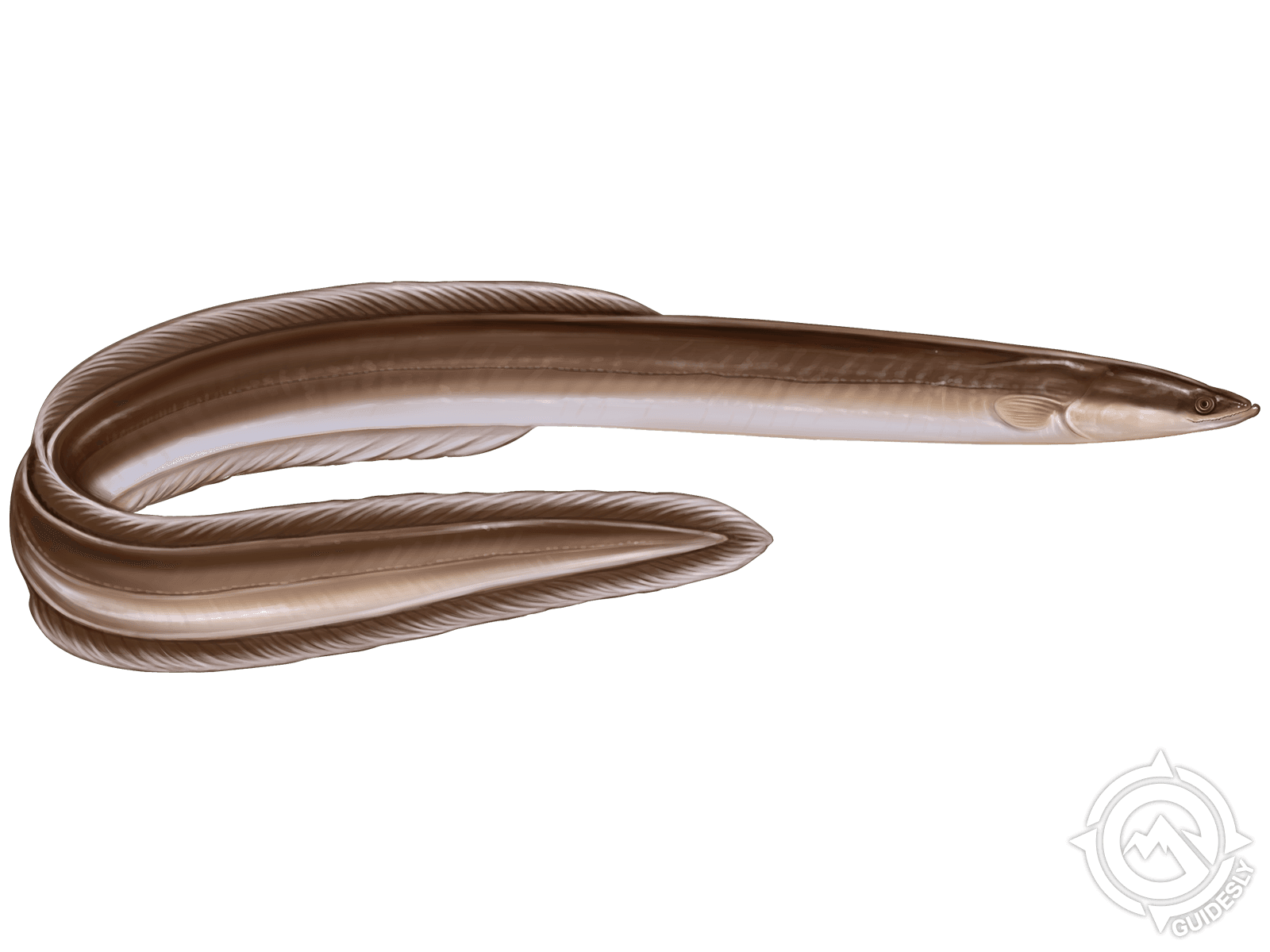
American Eel Overview
The American Eel (Anguilla rostrata), belonging to the family Anguillidae and order Anguilliformes, is one of North America's most fascinating and mysterious freshwater fish. These remarkable snake-like creatures are instantly recognizable by their slender, muscular bodies coated in a thick layer of protective mucus that gives them their characteristic slimy appearance. Despite looking completely naked to the naked eye, they're actually covered in minute scales that provide additional defense. What makes the American Eel truly special is its incredible life cycle: these eels spend years in freshwater rivers and lakes before mysteriously migrating thousands of miles across the Atlantic Ocean to spawn in the Sargasso Sea. For anglers and nature enthusiasts exploring inland waterways from the Great Lakes to local streams, encountering an American Eel is always an exciting moment that reminds us just how wild and interconnected our ecosystems truly are.
American Eel Habitat and Distribution
American Eels are native to freshwater systems across the eastern Atlantic coastline of North America, ranging from the Great Lakes down through the Mississippi River drainage system and into countless tributary streams and lakes. Their natural habitat includes muddy-bottomed rivers, shallow lakes, and coastal estuaries where they spend the majority of their lives as bottom dwellers. These secretive fish prefer to burrow themselves into mud, silt, and vegetation in shallow depths, creating hidden lairs from which they can ambush unsuspecting prey. Interestingly, coloration varies significantly based on water type and chemistry: clearer waters typically host lighter-colored eels, while acidic streams tend to contain darker-tinged individuals. While recordings show American Eels have expanded their range westward to places like Lake Mead and Arizona border rivers, many populations remain underestimated simply because these bottom-dwelling creatures are so difficult to observe in their natural habitat.
American Eel Size and Weight
The American Eel typically reaches lengths between 30 to 60 inches, with most individuals in the 1 to 4 feet range, making them noticeably smaller than some of their eel cousins found in other parts of the world. Weight generally falls between 8 to 17 pounds for mature specimens, though larger females can occasionally exceed these averages. An interesting sexual dimorphism exists within the species: females grow significantly larger than males and display lighter coloration, smaller eyes, and proportionally higher fins. Their elongated, conical head tapers to a terminal mouth with small, well-developed eyes and relatively non-elongated jaws lined with small, pectinate or setiform teeth arranged in multiple series. This streamlined body design perfectly suits their role as ambush predators lurking in bottom substrates and vegetation.
American Eel Diet and Behavior
American Eels are opportunistic carnivorous feeders that consume a wide variety of prey including small fish, insect larvae, crustaceans, and organic detritus. These nocturnal hunters are most active during nighttime hours when they emerge from their muddy burrows to search for food along the river or lake bottom. They employ a hunting strategy based on stealth and surprise, positioning themselves beneath shelters and vegetation to ambush passing prey. During daylight hours, they retreat to their constructed homes in mud and plant matter, where they remain relatively inactive. A fascinating behavioral adaptation occurs when water temperatures drop below 40 degrees Fahrenheit: American Eels enter a torpor state similar to hibernation, reducing their metabolic activity and food intake to near-zero levels. This survival mechanism allows them to endure harsh winter conditions in northern climates while maintaining minimal energy expenditure.
American Eel Spawning and Seasonal Activity
The American Eel possesses one of nature's most extraordinary life cycles, classified as facultative catadromous due to their migration between freshwater and saltwater environments. In their native freshwater habitats, they spend 5 to 20 years growing and developing before an inexplicable biological trigger initiates their spawning migration. During this dramatic transformation, eels undergo physiological changes including darkening of their coloration, changes in eye size, and modifications to their digestive system. They then migrate downstream and out into the Atlantic Ocean, traveling approximately 5,000 miles to the Sargasso Sea where they spawn in deep oceanic waters. After spawning, the adults die, but their larvae (called leptocephali) drift back across the Atlantic on ocean currents, eventually transforming into glass eels and elvers that enter coastal rivers and begin their upstream journey. Females can produce up to 4 million eggs during a single spawning event, ensuring population continuation despite the perilous journey. This remarkable migration typically occurs during fall and early winter months when water temperatures begin to cool.
American Eel Techniques for Observation and Capture
Night Fishing with Live Bait: The most effective method for catching American Eels involves fishing at night during their active feeding periods. Use live baitfish such as shiners, minnows, or small shad presented near the bottom in areas with muddy substrate and vegetation. Fish along undercut banks, around fallen logs, and in deeper holes where eels establish their territories. Deploy rod and reel setups with sensitive bite detection or use traditional hand lines. Focus your efforts during the warmer months from May through September when eels are most active, and particularly during the hour after sunset and before dawn.
Trap and Pot Fishing: Traditional eel pots and traps remain highly effective capture methods, particularly in areas where they're legal. These specialized traps funnel eels into a confined chamber from which escape is difficult. Bait them with fresh fish pieces, chicken liver, or eel pheromone attractants. Set traps along the bottom in channels, around structure, and in areas with current. This passive method allows you to fish multiple locations simultaneously and works effectively during both day and night hours.
Localized Tip—Around the Great Lakes Region: Anglers fishing tributaries and inlet streams throughout the Great Lakes have experienced excellent success targeting American Eels during their seasonal migrations. Focus on areas where streams enter the main lake bodies during fall months when temperature drops trigger migration behavior. Fish the slower-moving sections and deeper pools where eels congregate before making their ocean journey.
American Eel Culinary and Utilization Notes
American Eels possess good food quality and have been consumed for centuries across North America and Europe. The flesh is rich, fatty, and flavorful, with a unique texture that some compare to freshwater catfish. Eels are excellent sources of omega-3 fatty acids, protein, and various essential vitamins and minerals including vitamin A and selenium. Traditional preparation methods include smoking, which is particularly popular in Northern European and Asian cuisines, as well as braising, frying, and stewing. The culinary appeal of American Eels has made them targets for both recreational and commercial fishing operations, though sustainability concerns have prompted stricter regulations in some regions. When properly cleaned and prepared, these fish provide a delicious and nutritious meal that connects diners to centuries of culinary tradition. Many consider smoked eel to be a delicacy, and the meat's rich fat content makes it particularly suitable for preservation methods like curing and smoking.
American Eel Frequently Asked Questions
Q: What is the best bait for catching American Eels?
A: Live baitfish such as shiners, minnows, and small shad are most effective. Fresh chicken liver, fish pieces, and specialized eel pheromone baits also work well. The key is presenting bait near the bottom where eels hunt during nighttime hours.
Q: Where can I find American Eels in the Great Lakes region?
A: Look for them in muddy-bottomed lakes, slower-moving stream sections, deeper pools, and around structure like fallen logs and undercut banks. Tributary streams entering main lake bodies are particularly productive during fall migration seasons.
Q: Are American Eels good to eat?
A: Absolutely. American Eels are considered a delicacy in many cultures and offer good food quality with rich, flavorful flesh. They're excellent sources of omega-3 fatty acids and protein. Smoking, braising, and frying are popular preparation methods, with smoked eel particularly prized as a delicacy.
Q: When is the best time to catch American Eels?
A: Fish for them primarily from May through September during warmer months when they're most active. Night fishing is most productive, particularly during the hour after sunset and before dawn. Fall months are excellent for targeting eels during their spawning migration season.
Q: Why do American Eels migrate to the ocean if they live in freshwater?
A: American Eels are facultative catadromous fish, meaning they spend most of their lives in freshwater but migrate to the Sargasso Sea in the Atlantic Ocean to spawn. After 5-20 years of growth in freshwater systems, a biological trigger causes them to journey 5,000 miles across the ocean where they reproduce and die. Their larvae then drift back across the Atlantic to begin the cycle anew.
Q: What do I do if I catch an American Eel?
A: Handle them carefully as they're quite slippery. Wet your hands first to improve grip and reduce injury to their protective mucus layer. If you plan to keep the eel, use a sharp blow to the head for humane dispatch. If releasing, gently return it to the water. Many anglers use specialized handling gloves designed specifically for eel capture.