%2Ffit-in%2F250x250%2Fguide_websites%2F183059%2Fimages%2F1786494074576stress_reelief_charters_logo.png&w=1920&q=100)
/users/ebbc2d5f-4c96-4012-a393-b06262d6ea84/ratecard/happy-angler-with-fish-mspcb77l.jpg)
%2F300x300%2Fusers%2Febbc2d5f-4c96-4012-a393-b06262d6ea84%2Fratecard%2Fhappy-angler-with-fish-mspcb77l.jpg&w=256&q=75)
%2F300x300%2Fusers%2Febbc2d5f-4c96-4012-a393-b06262d6ea84%2Fimages%2Feaston-md-fishing-tour-catch-2509.jpg&w=256&q=75)
%2F300x300%2Fusers%2Febbc2d5f-4c96-4012-a393-b06262d6ea84%2Fimages%2Fstriped-bass-easton-md-fishing-2705.jpg&w=256&q=75)
%2F300x300%2Fusers%2Febbc2d5f-4c96-4012-a393-b06262d6ea84%2Fimages%2Fsunset-fishing-boat-easton-md-2566.jpg&w=256&q=75)
%2F300x300%2Fusers%2Febbc2d5f-4c96-4012-a393-b06262d6ea84%2Fimages%2Feaston-md-striped-bass-catch-2664.jpg&w=256&q=75)
%2F300x300%2Fusers%2Febbc2d5f-4c96-4012-a393-b06262d6ea84%2Fimages%2Famerican-eel-fishing-easton-sunset-2616.jpg&w=256&q=75)
%2F300x300%2Fusers%2Febbc2d5f-4c96-4012-a393-b06262d6ea84%2Fimages%2Fchesapeake-fishing-boat-easton-md-2560.jpg&w=256&q=75)
%2F300x300%2Fusers%2Febbc2d5f-4c96-4012-a393-b06262d6ea84%2Fimages%2Feaston-fishing-charter-success-2543.jpg&w=256&q=75)
%2F300x300%2Fusers%2Febbc2d5f-4c96-4012-a393-b06262d6ea84%2Fimages%2Feaston-striped-bass-catch-2764.jpg&w=256&q=75)
%2F300x300%2Fusers%2Febbc2d5f-4c96-4012-a393-b06262d6ea84%2Fimages%2Fstriped-bass-easton-md-catch-2746.jpg&w=256&q=75)
%2F300x300%2Fusers%2Febbc2d5f-4c96-4012-a393-b06262d6ea84%2Fimages%2Ffishing-boat-easton-md-charter-2383.jpg&w=256&q=75)
Run the Tides and Hunt Multiple River Systems
What you will be catching:
 Black Drum
 Bluefish
 Cobia
Cobia Redfish
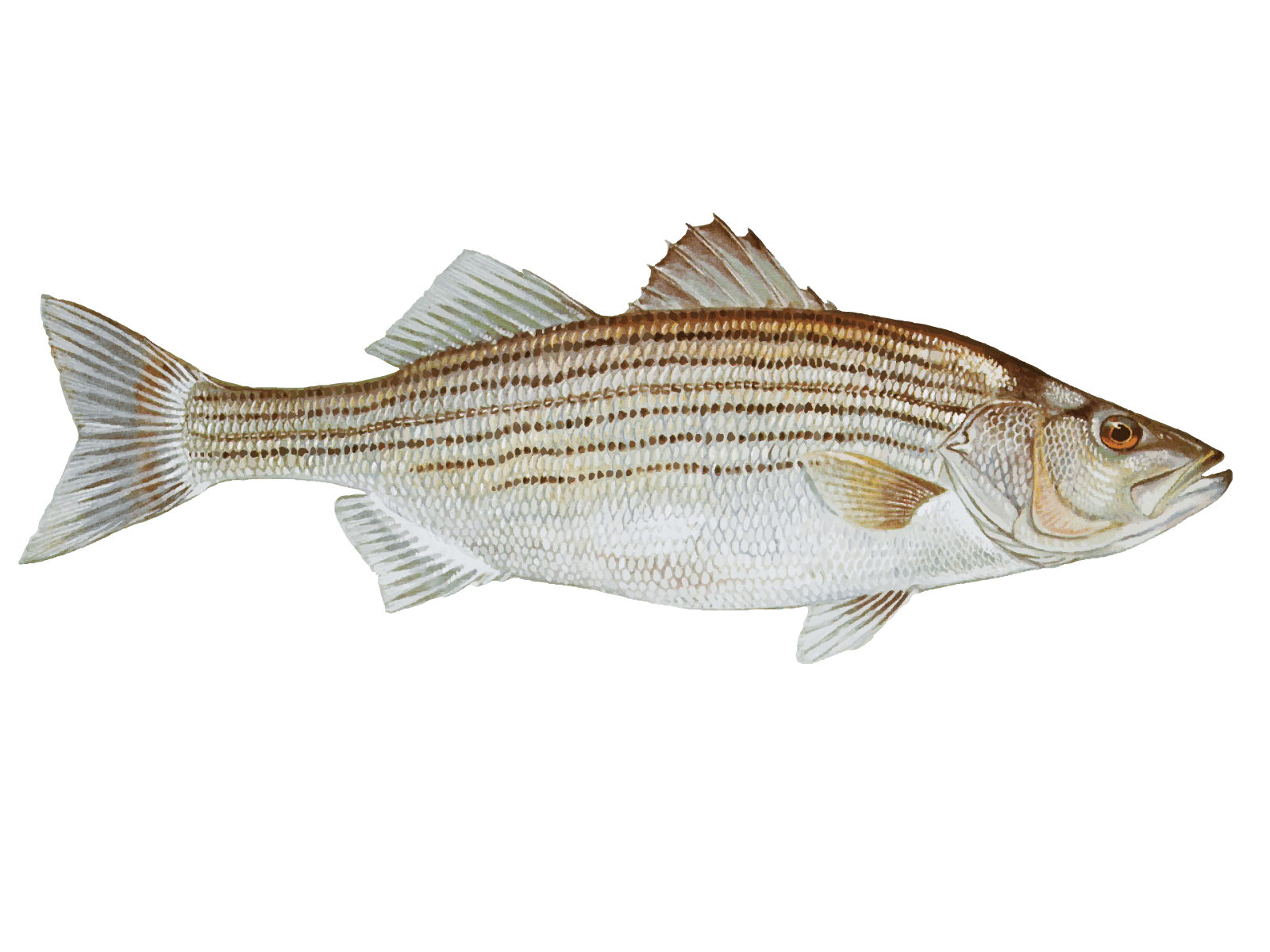
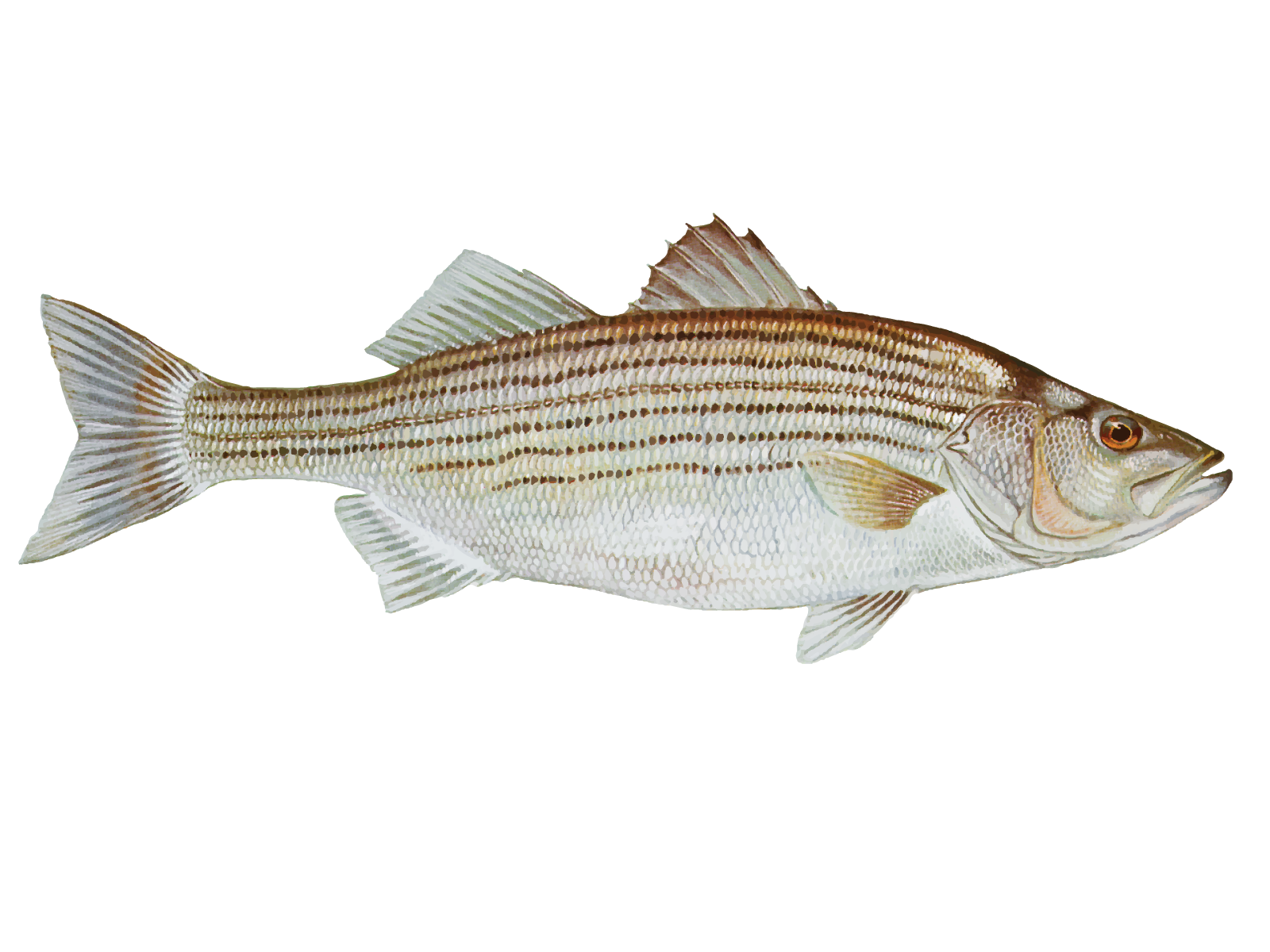 Striped Bass
- Extended trips target multiple Bay and river systems
- Morning topwater fishing transitions to Cobia and Black Drum hunting
- Power poles secure optimal boat positioning on structure spots
Trip Pricing and Availabilities:
Run the Tides and Hunt Multiple River Systems
This is what serious fishing looks like on the Chesapeake Bay. Captain Shane's extended charter takes you deep into the productive waters where the Wye River meets the Bay, giving you the flexibility to move with the fish and the tides. With extra time on the water, we're not rushing through spots – we're hunting like the locals do, following the action from dawn to dusk and adjusting our game plan as conditions change.
What to Expect on the Water
We start early when the water's still got that morning glass and the topwater bite is hot. You'll be throwing plugs at cruising Striped Bass while they're feeding aggressively in the shallows. As the sun climbs and the fish move, we shift gears completely – maybe running out toward the main stem for deeper structure, or working the twisting channels of the Wye where Cobia and Black Drum patrol the drop-offs. Captain Shane uses power poles to lock us down on productive structure, so you're not fighting drift while trying to work a perfect cast. This isn't a rush job – we take the time to really work each spot and figure out what the fish want that day.
Techniques & Tactics
The beauty of this extended trip is switching up techniques as conditions and fish behavior change throughout the day. Early morning means topwater action with plugs and poppers targeting aggressive Rockfish in shallow water. As the tide shifts and fish move deeper, we'll transition to live bait rigs, soft plastics, and bottom fishing for species like Black Drum and Redfish. Captain Shane reads the water like a book – he knows which structure holds fish on different tides and how to position the boat for the best presentations. The power pole system lets us stay put on productive spots without the constant repositioning you get with anchoring, giving you more time with your line in the water.
Species You'll Want to Hook
Striped Bass are the bread and butter of Chesapeake Bay fishing, and these waters produce some real bruisers. Spring and fall see the biggest numbers, but summer holds plenty of keeper fish. They're aggressive feeders that'll crush topwater lures in shallow water and hammer live bait around structure. The fight is what keeps anglers coming back – these fish make long runs and aren't giving up easy.
Cobia are the wild cards that make every cast exciting. These bronze-colored bulls cruise the shallows and around structure, often following rays and other baitfish. Summer is prime time when they're most active in our waters. They're curious fish that'll often follow your lure right to the boat, giving you heart-stopping follows before deciding to eat. When they do hit, you better hold on – Cobia are powerful fighters that test your drag and your patience.
Black Drum are the heavyweights that'll surprise you with their size and stubbornness. These bottom-dwellers love structure and are year-round residents, though spring and fall produce the biggest fish. They're not flashy fighters, but they use their weight and power to test your tackle. Finding a school of feeding Black Drum means steady action and the chance at a real doormat that'll have you questioning your gear choices.
Redfish bring that inshore excitement to our Bay fishing with their copper-colored backs and powerful runs. They love shallow structure and grass beds, making for visual fishing opportunities when conditions are right. Fall is peak season when they school up in impressive numbers. These fish fight dirty – making runs toward structure and using their broad sides to pull drag. The sight of a red back rolling on the surface never gets old.
Bluefish are the aggressive opportunists that can turn a slow day into non-stop action. They travel in schools and feed with abandon, often creating surface commotion that's visible from a distance. Spring and fall migrations bring the biggest numbers, but resident fish provide action throughout the warmer months. They're not picky eaters and will hit everything from topwater plugs to cut bait, making them perfect for keeping the action going between targeting other species.
Time to Book Your Spot
This extended charter is perfect for anglers who want to experience the Chesapeake Bay the way it should be fished – with patience, skill, and the flexibility to follow the action. Captain Shane's local knowledge and willingness to adapt throughout the day means you're not stuck with one technique or one spot. Whether you're looking to check multiple species off your list or focus on finding that fish of a lifetime, this trip gives you the time and opportunity to make it happen. Book your spot with Stress Reelief Charters and get ready to fish these waters like a seasoned local.
Learn more about the animals
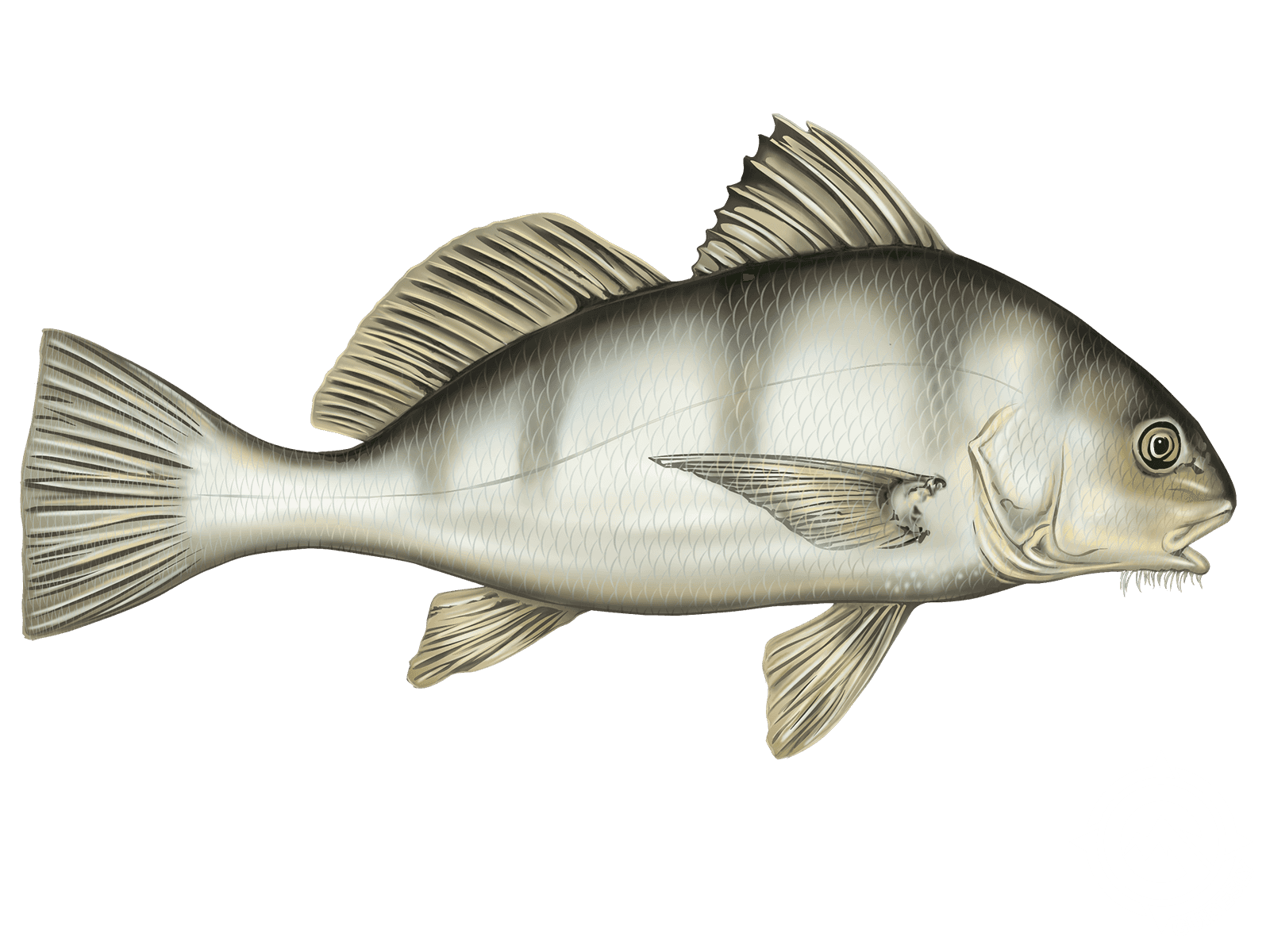
Black Drum
Black Drum are the heavyweights of the Bay, commonly running 20-40 pounds with some giants pushing 60+ pounds. These bottom-dwellers love oyster bars, muddy flats, and channel edges where they crush crabs and mollusks with their powerful jaws. Spring through early summer is prime time when they move shallow to spawn and feed aggressively. They're incredible fighters that use their bulk and the current to test your tackle. The smaller ones under 15 pounds make great eating with firm, sweet meat. You'll hear them "drumming" underwater - that's how they got their name. Fresh blue crab or peeler crab on a circle hook is deadly, but make sure your weight gets you to the bottom. Local tip: look for muddy water where they've been rooting around feeding.
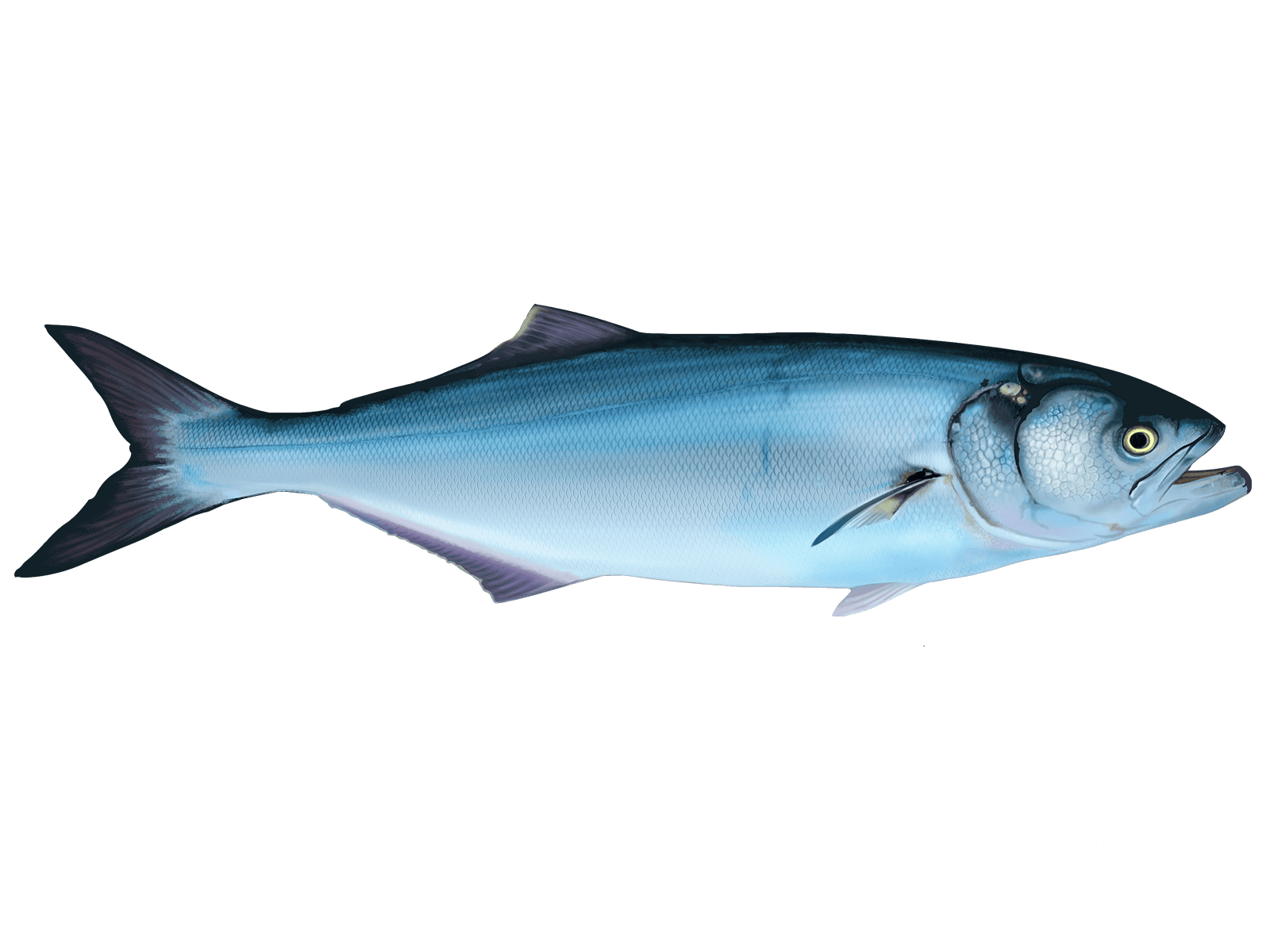
Bluefish
Bluefish are aggressive feeders that show up in the Bay from late spring through fall, typically running 2-8 pounds with occasional larger ones pushing 15+ pounds. They travel in schools and hit hard, making them a blast on light tackle. You'll find them cruising open water and along structure, often feeding near the surface where you can see the commotion. They love cut bait like menhaden or squid, but also smash topwater lures and spoons. The smaller "cocktail blues" are perfect for the table with mild, flaky meat. When you hook into a school, work fast - they move quickly and the bite can shut off just as fast. Pro tip: always use a wire leader since their razor-sharp teeth will cut through mono in a heartbeat.
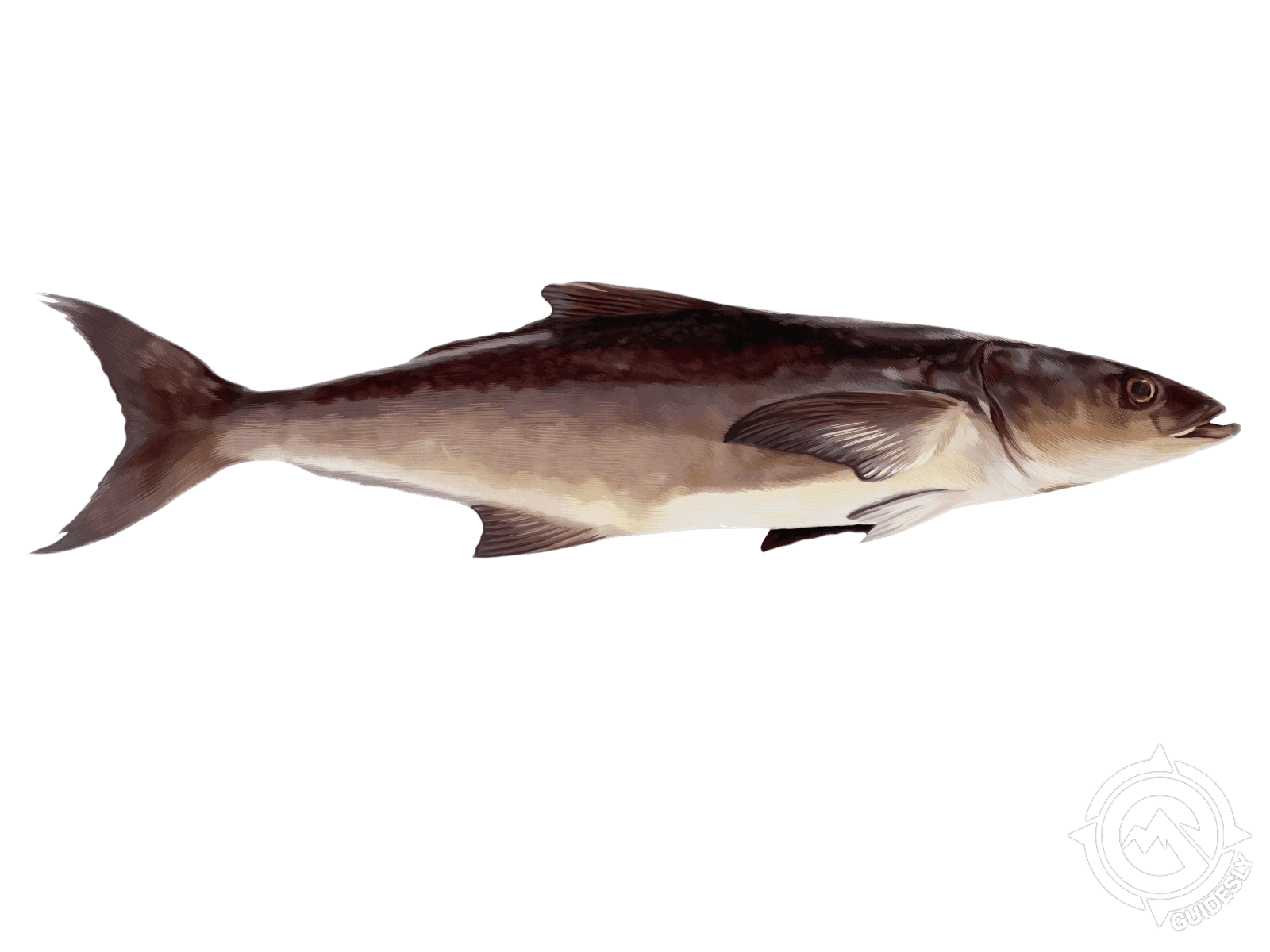
Cobia
Cobia are the Bay's brown sharks that aren't sharks - these chocolate-colored bruisers average 30-50 pounds and fight like freight trains. They cruise solo or in small groups around structure like channel markers, pilings, and crab pot lines in 15-40 feet of water. Late spring through summer is prime time when they move into the Bay to feed and spawn. What makes them special is the sight fishing - you'll spot them just under the surface and cast right to them. The fight is pure power with long runs and head shakes. Outstanding eating with firm, white meat that's prized by restaurants. Live eels work great, but bucktail jigs and large soft plastics are my go-to. Local trick: look for rays on the surface - cobia often follow them looking for stirred-up crabs and bottom creatures.
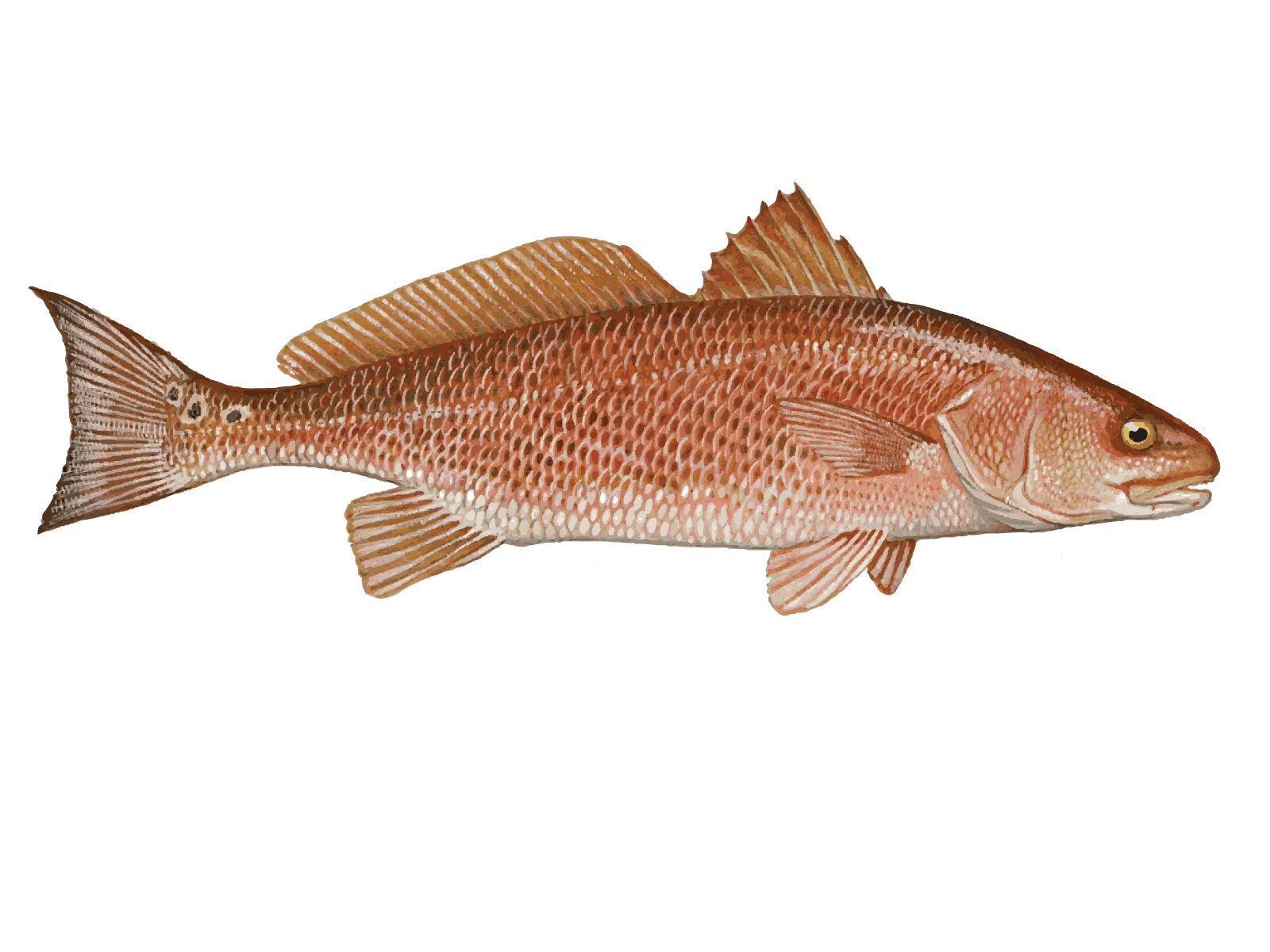
Redfish
Redfish are starting to show up more in the Bay's shallows, typically running 20-35 inches and putting up a serious scrap. These copper-colored beauties with their distinctive black spots love grass beds, oyster bars, and shallow flats where they root for crabs and shrimp. Late summer and early fall are your best bets when water temps are right. They're sight fishing at its finest - you'll see their backs and tails in skinny water. The fight is pure power with long runs that'll test your drag. Great table fare with sweet, firm meat similar to drum. Live shrimp or blue crab is hard to beat, but they'll also crush topwater plugs and soft plastics. Pro tip: when you spot one tailing in the shallows, cast well ahead and let your bait settle to the bottom before they get there.
Striped Bass
Striped Bass, our local "rockfish," are the Bay's most prized game fish, running anywhere from schoolie-sized 18-inchers to trophy fish over 40 pounds. They're structure lovers, hanging around points, drop-offs, and channel edges in 10-50 feet of water. Spring and fall migrations bring the best action, but they bite year-round. Early morning topwater action is hard to beat - watching a big rock crush a surface plug never gets old. They fight smart, using their weight and the current against you. Excellent eating when kept in season, with firm white meat. Live eels are the ultimate bait, but they'll also hit large soft plastics, bucktails, and spoons. Here's the key: match your presentation to the current and always fish the moving water during tide changes.